
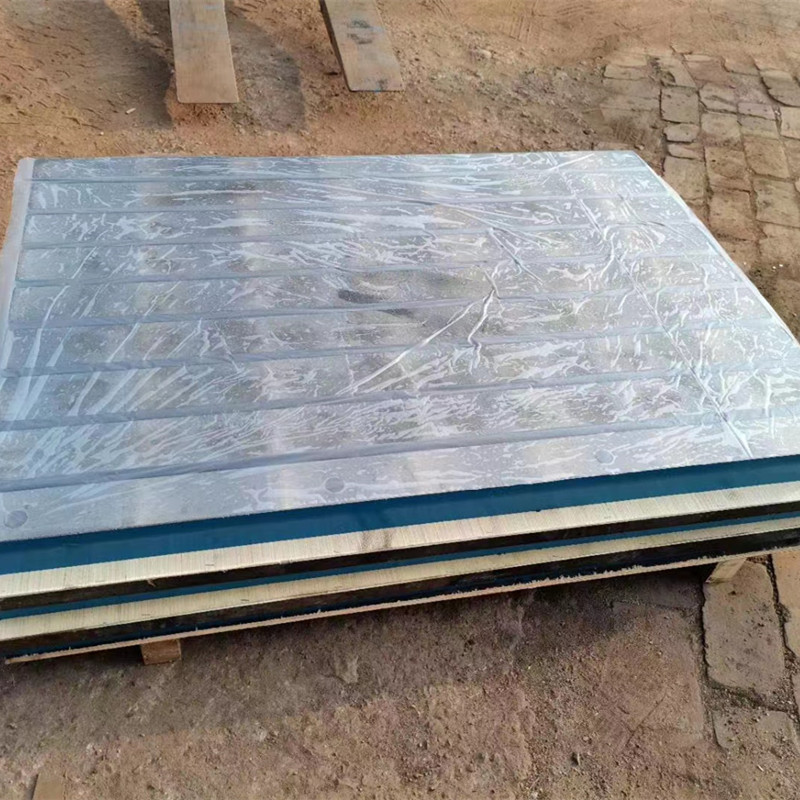
double pane glass panels
Understanding the Importance of 72% Butterfly Valves in Modern Industries Butterfly valves play a crucial role in a variety of industrial applications, serving as essential components for regulating flow in pipelines. Among the different designs available, the 72% butterfly valve has gained prominence due to its unique characteristics and operational advantages. This article aims to explore the significance of the 72% butterfly valve, analyzing its features, benefits, and applications in modern industries. What is a Butterfly Valve? A butterfly valve is a type of quarter-turn valve that utilizes a disc to control the flow of fluid. When the valve is fully opened, the disc is aligned with the flow, allowing maximum flow. Conversely, when the valve is closed, the disc is perpendicular to the flow, effectively blocking it. The 72% butterfly valve refers to a specific design configuration that features a disc opening that covers approximately 72% of the valve body diameter when fully opened, which is often an ideal balance between flow control and pressure drop. Key Features of 72% Butterfly Valves 1. Flow Characteristic The 72% opening design allows for a more gradual change in flow rates, which can lead to improved control over fluid dynamics. This feature is particularly beneficial for applications where precise flow regulation is required. 2. Minimal Pressure Drop The streamlined design of the 72% butterfly valve results in minimal resistance to flow, helping to reduce energy consumption and operational costs in systems where maintaining pressure is critical. 3. Lightweight Construction Unlike traditional gate or globe valves, butterfly valves are lightweight and require less space, making them suitable for installations in confined areas or where weight considerations are paramount. 4. Durability and Longevity Most modern butterfly valves are constructed from materials such as stainless steel, ductile iron, and high-performance plastics, which offer resistance to corrosion and wear. The robustness ensures a long service life, reducing maintenance costs. Benefits of Using 72% Butterfly Valves The implementation of 72% butterfly valves brings multiple benefits to industrial processes 1. Enhanced Flow Control By providing better flow regulation, these valves can help manage the operation of various systems more effectively, leading to improved efficiency and reduced waste. 72 butterfly valve 2. Cost-Effectiveness With reduced pressure drops and energy consumption, businesses can experience significant cost savings in terms of both operational efficiency and equipment longevity. 3. Versatility in Applications The adaptability of 72% butterfly valves makes them suitable for a wide range of industries, including water treatment, food and beverage processing, chemical manufacturing, and HVAC systems. 4. Quick Operations The quarter-turn operation of butterfly valves allows for rapid adjustments, ensuring swift responses in dynamic industrial environments where time is of the essence. Applications in Modern Industries Given their robust design and operational advantages, 72% butterfly valves are widely used across various sectors - Water and Wastewater Treatment These valves are essential for regulating water flow and controlling treatment processes, ensuring compliance with environmental regulations. - Oil and Gas Industries In the transportation of hydrocarbons, butterfly valves facilitate efficient flow control while minimizing the risk of leaks and pressure loss. - Food and Beverage With their ease of cleaning and resistance to contamination, 72% butterfly valves are ideal for maintaining sanitary conditions in food processing applications. - HVAC Systems These valves help regulate air and fluid flow within heating, ventilation, and air conditioning systems, enhancing efficiency and user comfort. Conclusion In conclusion, the 72% butterfly valve represents a significant advancement in valve technology, catering to the demands of modern industries for efficient flow control and reliability. Its combination of lightweight design, durability, and precise flow management makes it an indispensable component in a wide range of applications. As industries continue to evolve, the importance of valves such as the 72% butterfly valve will only grow, facilitating improved operational efficiency and sustainability.
about
double pane glass panels
Understanding Square Knife Gate Valves Design, Function, and Applications Knife gate valves are essential components in various industries, designed primarily for on-off control of flow in heavy-duty applications. Among these, the square knife gate valve is particularly notable for its robust design and functional efficiency. This article delves into the unique characteristics of square knife gate valves, their operational principles, advantages, and various applications. Design and Structure A square knife gate valve features a rectangular or square-shaped gate that slides between two seats to control flow. Unlike traditional round gate valves, the square shape allows for better flow characteristics in certain applications, especially in industries dealing with bulk materials or slurries. The gate is typically made from durable materials such as stainless steel or cast iron, ensuring longevity and resistance to wear in harsh environments. The design also includes flanged or welded ends to facilitate easy installation within existing piping systems. The construction of the square knife gate valve is relatively straightforward, consisting of a gate, two seats, a body, and a mechanism to operate the gate (manual, pneumatic, or electric). Function and Operation The primary function of a square knife gate valve is to provide a reliable shut-off mechanism. Its gate is raised or lowered via a mechanism that rotates or translates it vertically, allowing for quick and efficient control over the flow of liquids or slurries. The blade-like edge of the gate is designed to slice through the particles in slurries, ensuring less obstruction and greater efficiency compared to other types of valves. When fully opened, the square knife gate valve provides a straight-through flow path; this minimizes pressure drops and potential turbulence, making it ideal for applications where flow efficiency is critical . The design reduces the risk of clogging, which is particularly advantageous in systems that handle viscous substances or solid-laden liquids. square knife gate valve Advantages One of the standout advantages of square knife gate valves is their robust performance in demanding conditions. Their square shape is particularly effective at managing thick fluids and solids, making them suitable for applications like wastewater treatment, mining, and pulp and paper industries. Additionally, square knife gate valves are designed for ease of maintenance. The simplicity of their mechanism allows for quick disassembly and reassembly, minimizing downtime during repairs or inspections. Because the gate seals effectively when closed, they also provide excellent leak-proof performance, ensuring safe operation and preventing contamination of the fluid being controlled. Moreover, the ability to customize these valves according to specific application requirements—such as size, material, and actuator type—adds to their versatility, enabling them to be deployed in various sectors. Applications Square knife gate valves are widely utilized in various industries due to their reliability and performance. Common applications include 1. Mining Managing the flow of ore slurries and waste materials where high solid content is prevalent. 2. Wastewater Treatment Controlling the flow of sludge and treatment chemicals, where robustness and reliability are paramount. 3. Pulp and Paper Handling pulp slurries and chemical processes that require precise flow control. 4. Food and Beverage In processes where liquid and solid materials must be managed efficiently and hygienically. In summary, square knife gate valves are integral to numerous industrial processes, providing effective and reliable flow control in challenging environments. Their unique design, ease of maintenance, and versatility make them a preferred choice in sectors that demand durability and performance under pressure. Understanding the functionalities and benefits of these valves can assist engineers and operators in selecting the right components for their specific applications.
-

High quality industrial productsagement

High quality industrial products
View Details -

Meet the diverse needs of customers

Meet the diverse needs of customers
View Details -

Strict quality control

Strict quality control
View Details -

Top raw materials

Top raw materials
View Details -

Trusted supplier

Trusted supplier
View Details
Our application

news and information

vibration pad price
Understanding Vibration Pad Prices A Comprehensive Guide Vibration pads, also known as anti-vibratio
wskazuje mikrometr
Indykatory Mikrometryczne Zastosowanie i Właściwości Indykatory mikrometryczne to precyzyjne narzędz

water valve 1 2
Understanding Water Valve 1-2 Functionality and Applications Water valves are essential components i
 English